
First Flush: The Shincha Advantage: Infusing Kagoshima Fukamushi (Deep steamed) Sencha
There is a specific kind of magic that happens in southern Japan when the first harvest arrives. While the rest of the world is just waking up to spring, the tea fields in warm Kagoshima are already producing some of the most vibrant, “deep-steamed” greens you can find.
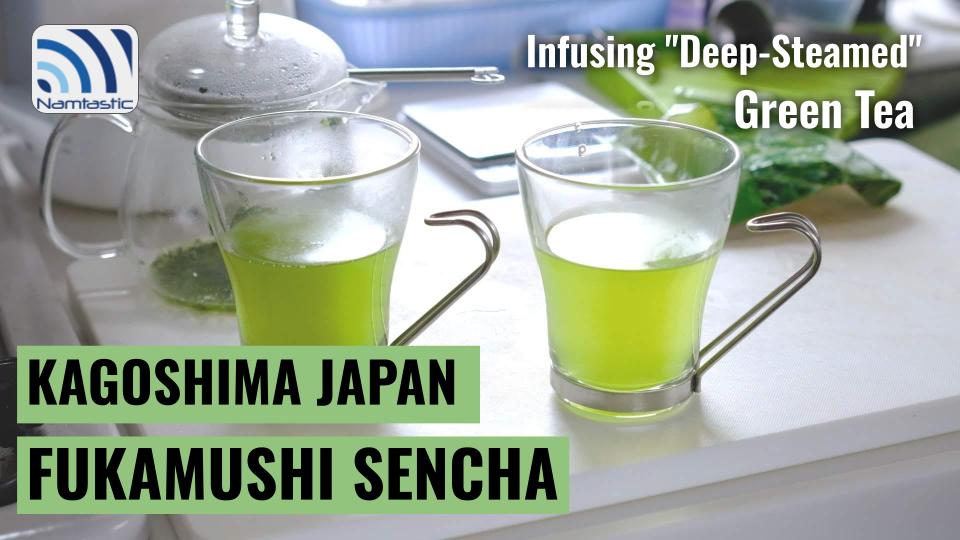
If you’ve been following my Japan Visuals series, you know I’m a fan of high-contrast textures. This tea, a Fukamushi (deep-steamed) Sencha, is essentially the “Velvia Film Simulation” of the tea world: deep, saturated greens and a profile that pops.
What makes this Shincha special?
Shincha (meaning “new tea”) comes from the highly-coveted first harvest leaves. Because this particular tea is grown in the volcanic soil of Kagoshima and shaded before picking, it carries a heavy dose of natural sweetness and umami.
Think of it like a fresh garden pea or a leaf of baby spinach—it’s vegetal, grassy, and incredibly full-bodied.
The Two-Act Extraction
For Fukamushi, the “deep-steamed” nature of the leaf means the particles are smaller and more fragile. They release their flavor much faster than a standard Sencha, so your timing needs to be precise.
Act 1: The Umami Awakening
- Infusion Time: 45 seconds.
- The Experience: This is your “hero shot.” It’s thick, vibrant green, and tastes like a liquid spring morning.
Act 2: The Deep Vegetal Note
- Infusion Time: 25 seconds.
- The Experience: A quicker steep that highlights the grassy, vegetal notes. It’s a refreshing follow-up to the initial sweetness.
Watch the Infusion: A Visual vs. Technical Approach
I’ve put together a short video to capture the tactile nature of brewing this Shincha. You’ll see the vibrant color transition and the fine, deep-steamed particles dancing in the water.
For the sake of this video, I purposely agitated and swirled the leaves to create a more immersive, slow-motion “ASMR” experience. However, a technical note: normally, I recommend leaving the tea to infuse undisturbed. Fukamushi leaves are fragile; over-agitation can easily lead to over-extraction and unwanted bitterness.
While the taste was well-balanced for this specific session, if you find your brew becoming too astringent, I’d suggest skipping the elaborate swirling and letting the water do the work naturally.
Gear & Sources
I find that brewing this in a glass teapot allows for precise temperature control and a full visual appreciation of that deep green liquor. To really highlight the electric, emerald hue of a tea like this, I often use glass cappuccino glasses; the clarity and volume of the glass make the color pop in a way that traditional ceramic can sometimes mask.
If you’re looking to pick up some Kagoshima Shincha (the “first flush” harvest) for yourself, many specialty tea vendors now offer international shipping during the spring months. Look for reputable exporters who specialize in single-origin Japanese greens or “Direct from Farm” services that can deliver these limited-run harvests while they are still at peak freshness.
Are you a fan of the deep-steamed (Fukamushi) style, or do you prefer the lighter, more needle-like profile of a traditional Sencha? Let me know in the comments!